Shipping / The journal
An unboxing experience without all the extra stuff
A clear opening sequence can feel more considered than another layer of tissue.
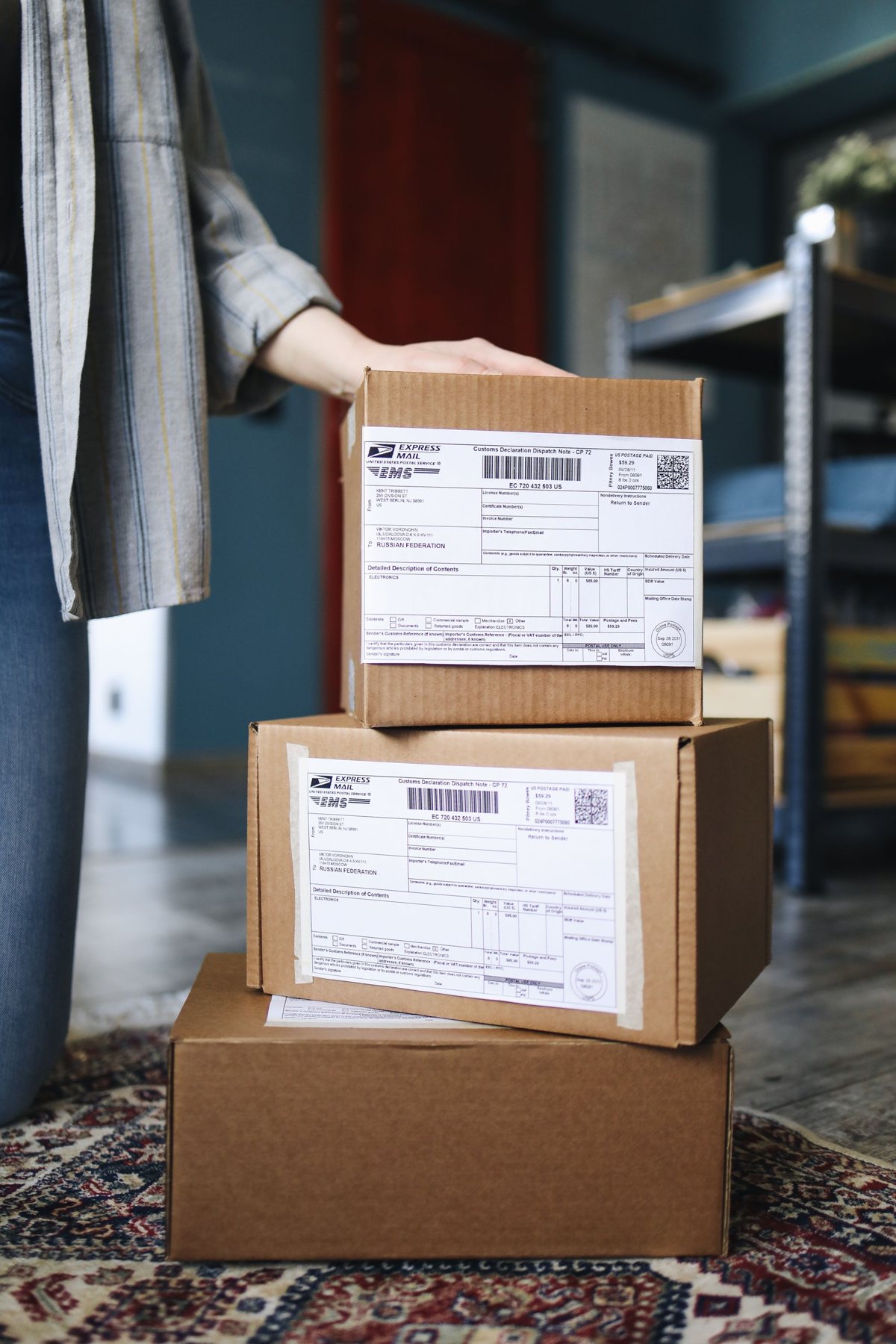
Map the first thirty seconds
Imagine the parcel on a kitchen table. The recipient looks for the opening, removes the product and decides what to keep. Every additional layer asks them to do something. Some layers protect the item; others may simply repeat a message already delivered elsewhere.
Lay out the current package in the order it is opened. Label each component with its job. If two pieces do the same job, ask whether one can be removed or combined. This is a practical design exercise, not an assumption that the fewest possible components will always protect the product best.
Make the first action obvious
A visible tear strip or a clear opening edge creates confidence. An attractive box that must be attacked with scissors can feel awkward, especially if the product is close to the cutting path. Try the opening with someone who has not watched it being assembled.
Observe the hands, not just the comments. Does the person rotate the parcel several times? Pull the wrong flap? Worry about damaging the contents? The answers can lead to a better opening cue or a structural adjustment. Printed instructions should support an intuitive action rather than explain a puzzle.
Use the inside surface deliberately
The inside lid can carry a welcome, a short instruction or a useful reminder. It does not need to repeat the logo at maximum size. Think about what the recipient needs at that moment. Assembly advice may be more welcome than a broad brand statement.
Keep this message brief. A package is an interrupted reading environment: people are looking at the product, moving materials and clearing space. If a longer guide is necessary, give it a clear place and title so it is easy to keep. Avoid scattering essential instructions across several disposable pieces.
Fit the product before adding theatre
A well-fitted insert can make an ordinary material feel deliberate. An oversized cavity with decorative filler can do the opposite. Prototype the arrangement using the real product and check how it behaves during handling, not only how it looks from above.
If the product comes in several sizes, decide whether a shared insert genuinely works or merely saves a drawing. Loose movement, difficult removal and confusing empty spaces are all signals to reconsider the fit. Protective performance requires appropriate testing; a satisfying opening on a desk is only one part of the evaluation.
Design the return journey
Some products will come back. If returns are part of the business, check whether the customer can repack the item without inventing a new protection system. A destructive opening may remove the very structure needed for the return.
Keep any return instructions separate from celebratory copy and make them easy to find. Consider whether labels obscure important information on a second journey. A package that still makes sense after the first opening can save frustration for both the customer and the receiving team.
Edit with a reason
Remove one component at a time and repeat the opening exercise. Keep the changes that improve clarity while preserving the required protection. This avoids a superficial 'minimal' redesign that simply transfers inconvenience to the recipient.
The memorable detail may be a neat fit, a useful instruction or a clean opening edge. None requires a pile of extras. The best unboxing sequence respects the product and the person trying to reach it.
Make it practical
Turn the next idea into a clear brief. Our browser worksheet helps you record the product, journey and handoff.
Open the reading roomKeep reading
A little more to unfold.
Shipping / Visual study
The mailer: the shipping label is part of the design
Leave room for the real journey, including the large white rectangle that arrives at dispatch.
Read the story ↗
Shipping / Visual study
The outer case: useful information for busy hands
The box behind the retail box needs a clear identity of its own.
Read the story ↗Shipping / Visual study
The subscription kit: a system for a changing mix
Design a repeatable framework that can handle a new selection without becoming a new packaging project.
Read the story ↗