Shipping / Practical guide
Good design travels well.
Packing, labels, opening and returns belong in the same conversation.
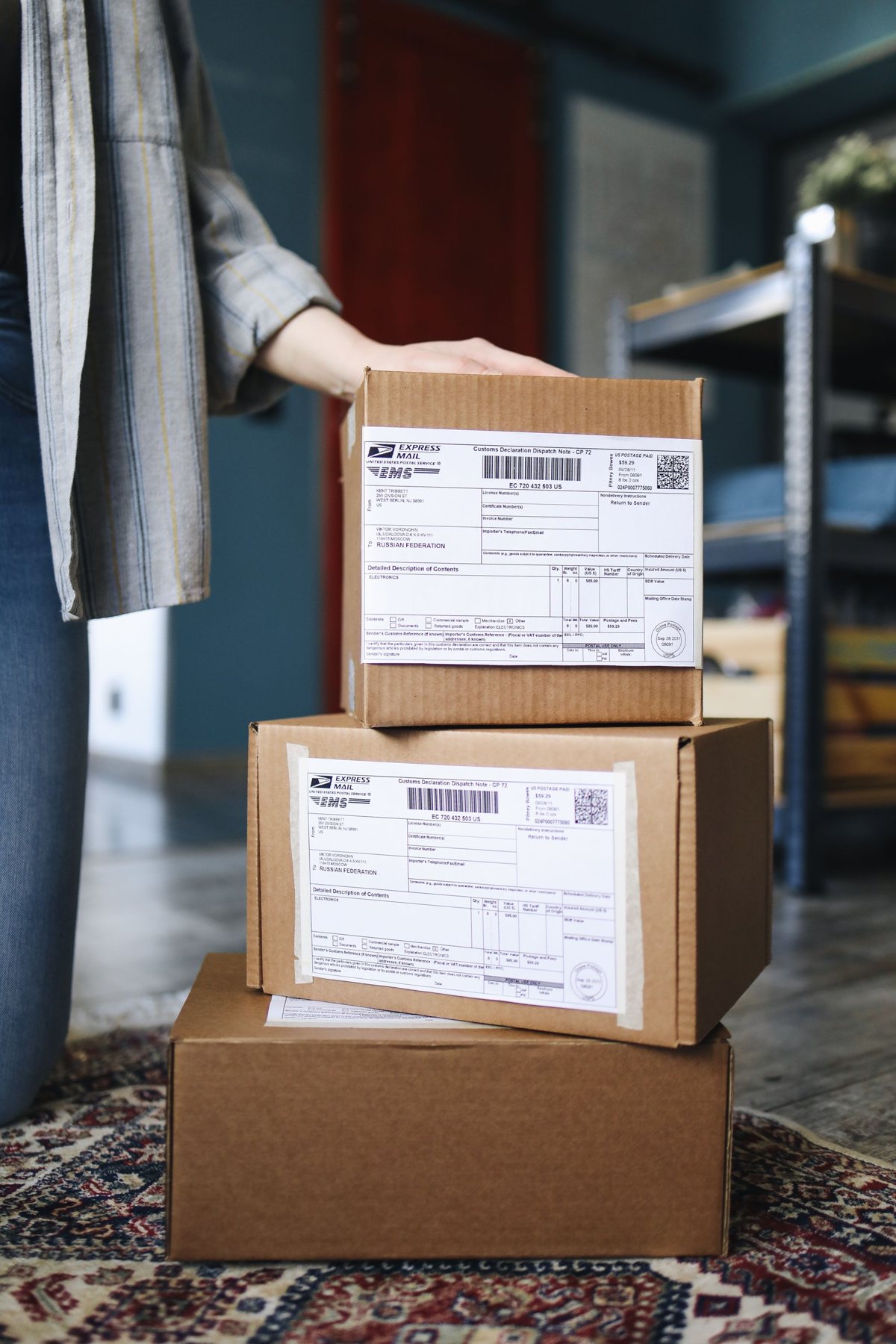
Follow a real order
Trace a package from assembly to the customer's table. Note every added label, outer layer and handling step. This reveals which surfaces remain visible and which design decisions depend on another team.
Bring fulfilment staff into the review. They know where a flap is awkward, where a label must go and which products create exceptions. A design that respects the operation can still be distinctive. It simply gives the real journey a place in the composition.
Make opening legible
An opening should suggest a first action. Test the prototype with someone who has not seen it assembled. Watch how they orient the parcel and where they try to pull. A short instruction can support the structure, but it should not have to explain a puzzle.
Consider the product's removal as well as the outer opening. Grip space and a clear arrangement can make an ordinary material feel carefully designed. Decorative layers are useful only when they contribute something the package actually needs.
Plan for variation
A shipping system may carry different products or combinations. Test the awkward order, not only the standard one. Explore whether shared components handle that variation sensibly or create excess space and unclear packing instructions.
Returns deserve their own review when they are part of the business. Can the recipient repack the item? Does the opening destroy a necessary protective feature? Make the intended return process concrete rather than leaving it as a line in the brief.
Separate presentation from protection
A satisfying unboxing does not prove protective performance. Agree appropriate testing with the supplier and responsible team. Keep those results separate from informal design observations so nobody mistakes a desk exercise for approval.
Our shipping stories explore the communication and handling side of the journey. They cover mailers, outer cases, subscription kits and the changing information placed on a parcel. Start with one real order and improve the points where the package makes the work harder.
Make it practical
Turn the next idea into a clear brief. Our browser worksheet helps you record the product, journey and handoff.
Open the reading roomKeep reading
A little more to unfold.
Shipping / Journal
An unboxing experience without all the extra stuff
A clear opening sequence can feel more considered than another layer of tissue.
Read the story ↗Shipping / Visual study
The mailer: the shipping label is part of the design
Leave room for the real journey, including the large white rectangle that arrives at dispatch.
Read the story ↗
Shipping / Visual study
The outer case: useful information for busy hands
The box behind the retail box needs a clear identity of its own.
Read the story ↗