Design / Practical guide
Design that works in the hand.
Identity, proportion and everyday use. Start with the object, then give it a clear point of view.
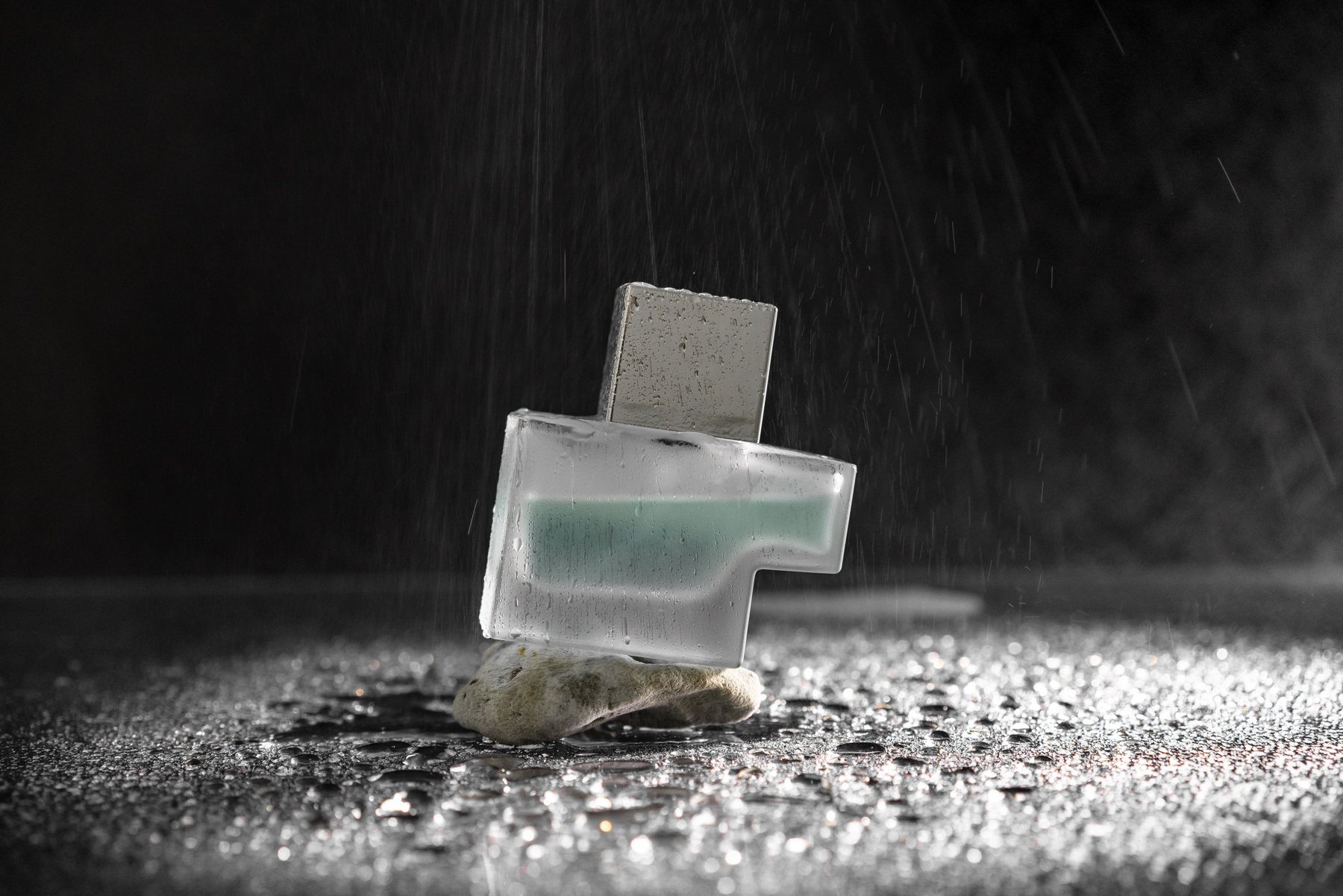
A package is a sequence
Packaging design unfolds over time. A customer notices a shape, reads a name, turns the object and eventually opens it. Each moment offers a different amount of attention. Designing only the front view leaves much of that sequence unresolved.
Begin with the likely setting. A product selected from a shelf needs different cues from one delivered in an unmarked outer parcel. Make the first useful question explicit: what does the person need to understand at this moment? The answer can guide the hierarchy more effectively than a broad request to make the design feel premium.
Work from the difficult case
Use the longest product name, the smallest format and the densest approved copy early. These constraints reveal whether the proposed system can support a real range. Do not leave them until the attractive presentation pack has already been approved.
Create a physical sample as soon as possible. Even a rough fold can reveal where information disappears around a corner or where the opening conflicts with the intended front. A digital visual is useful for sharing direction; a physical object is useful for discovering how the design behaves.
Make a small set of rules
Choose a few consistent roles for typography, colour and imagery. Give each a job. A heading identifies the product, a colour distinguishes a variant and a secondary panel explains use. When every element has a role, it becomes easier to edit without losing identity.
Document the rules with actual examples. Include an awkward variant so the next designer can see how the system handles pressure. A good design system gives people enough structure to remain consistent and enough explanation to make sensible adaptations.
Review with ordinary eyes
Show the package to someone who has not followed the project. Ask them to identify the product, find a detail and open it. Watch before explaining. Their hesitation may reveal more than a general opinion about the style.
Our design articles focus on these practical moments. The visual studies explore formats and composition using real photography as a reference. They are prompts for your own work, not claims of commissioned client projects.
Make it practical
Turn the next idea into a clear brief. Our browser worksheet helps you record the product, journey and handoff.
Open the reading roomKeep reading
A little more to unfold.
Design / Journal
A packaging brief that saves the second meeting
The most useful brief makes the physical job clear before anyone debates a typeface.
Read the story ↗
Design / Journal
Small type has a big job on packaging
Give the back panel the same care as the front. It is where a customer goes looking for answers.
Read the story ↗Design / Journal
Photograph the package people will actually receive
A useful product gallery balances atmosphere with evidence: shape, scale, details and the real finish.
Read the story ↗