Print / Practical guide
From a good file to a good object.
Colour, type, folds and handoffs. The details that help a design survive production.
Invite the printer in early
A supplier can identify constraints while the design is still flexible. Share the intended material, finish and structure before the layout depends on a delicate effect. Ask how technical lines, colours and artwork should be supplied.
Use a representative example rather than a broad question about capability. A small reversed word, a colour boundary on a fold or a fine rule may be more informative than a full-page mood board. Early feedback can preserve the design idea by making it more compatible with the process.
Approve the real relationships
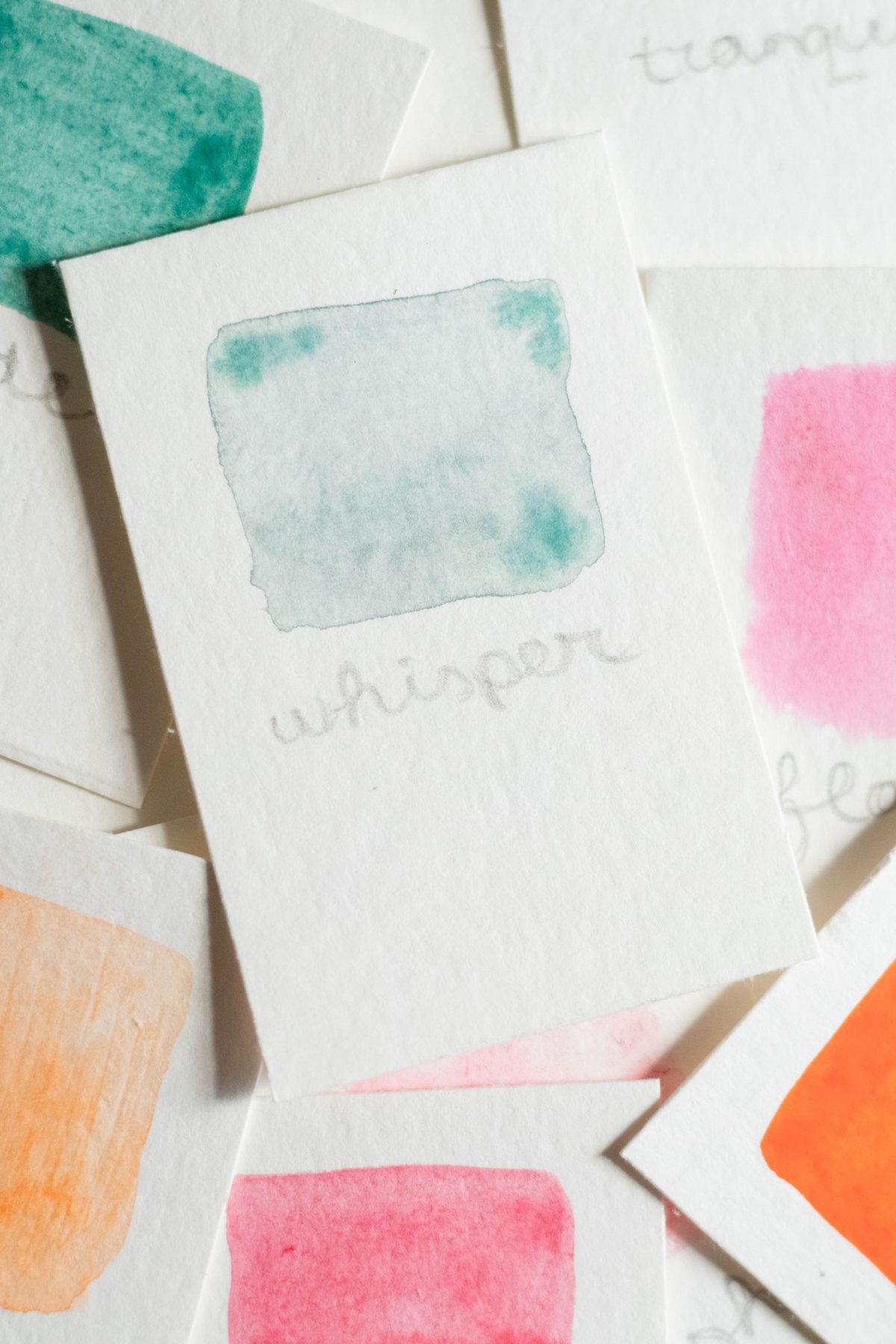
Print colour is experienced alongside material, neighbouring colours and light. A screen preview cannot carry all of that information. Agree how the colour target and proof will be reviewed, then record the approved reference.
Check the actual layout, not only large isolated swatches. Small text, imagery and background combinations deserve attention. Fold or apply the proof where practical so panel relationships are visible. The useful question is how the whole package reads, not whether one rectangle looks attractive.
Keep versions unambiguous
Use a simple revision convention and identify one final production sender. Make the status of every sample and file clear. If a physical sample differs from the latest artwork, record the difference in the review.
Bring product-information approval, structure approval and artwork approval together before release. These are related decisions with different owners. A clear handoff states which version is approved and what evidence supports it. It should not rely on someone remembering a conversation from a previous meeting.
Read at actual size
Print a true-size draft and inspect the most crowded panel. Test the layout on the real shape where possible. A curved label, flexible pouch or carton corner changes the reading experience.
The print articles here focus on practical review habits: establishing a colour reference, giving small type enough room and closing the final approval cleanly. None is glamorous in isolation, but together they make the finished package feel considered.
Make it practical
Turn the next idea into a clear brief. Our browser worksheet helps you record the product, journey and handoff.
Open the reading roomKeep reading
A little more to unfold.
Print / Journal
The colour you approve is the colour you print? Not quite.
A screen is a useful beginning. Paper, ink and lighting decide what happens next.
Read the story ↗
Print / Journal
The final packaging review: five conversations, one decision
Bring structure, artwork, product information, operations and presentation into the same approval.
Read the story ↗Print / Visual study
The folding carton: four faces, one conversation
Use each panel deliberately. A carton is an object, not a poster folded at random.
Read the story ↗