Materials / Practical guide
Materials with a reason to be there.
Look beyond the surface. Ask how a material behaves, what it protects and what happens next.
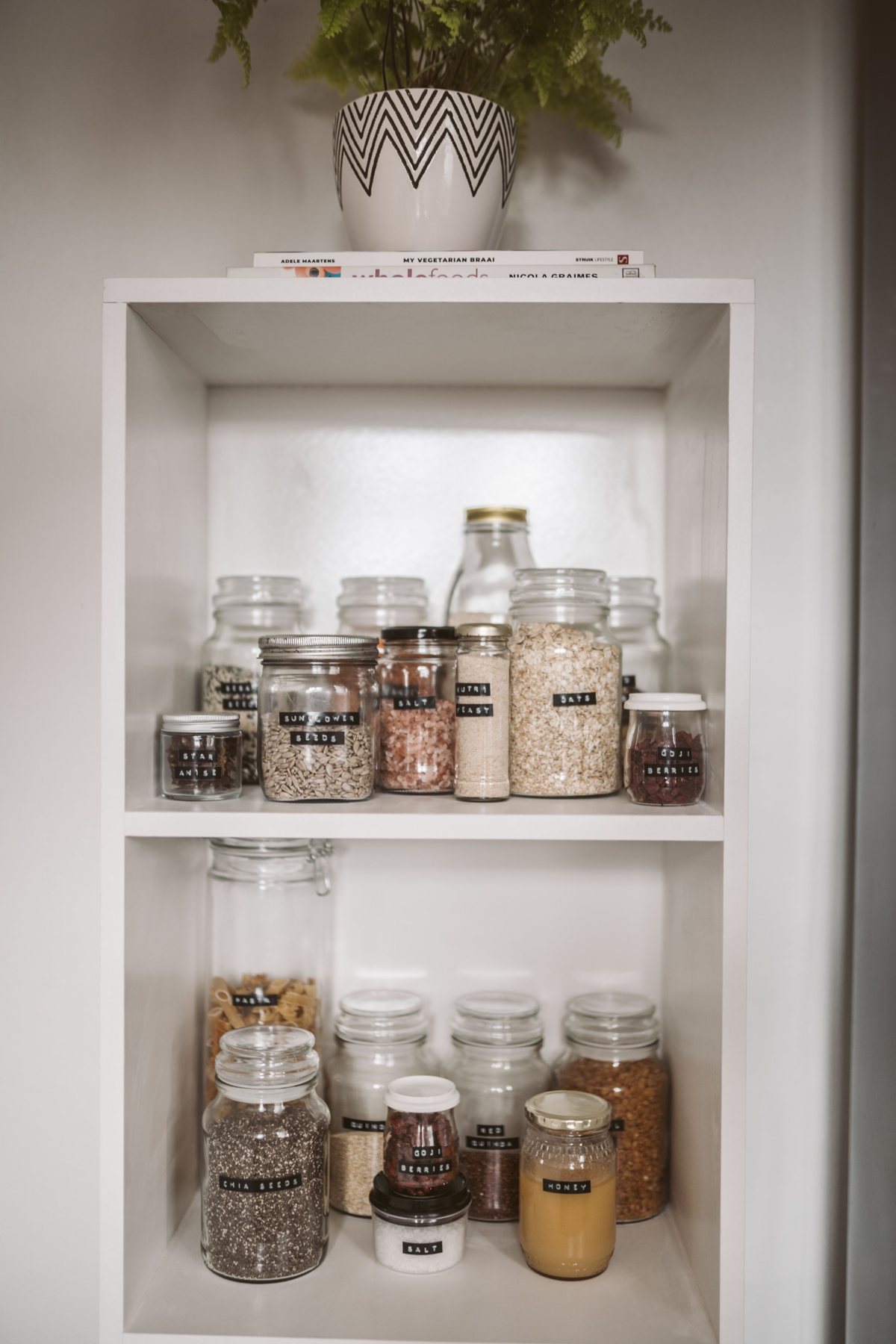
Write the material's job
A material may protect against impact, hold a shape, carry print or support repeated use. Start by listing the required jobs. This makes supplier conversations more precise than asking for a material that simply looks natural or expensive.
The product and journey determine the technical requirements. Obtain the appropriate supplier guidance for compatibility and performance. A photograph can show texture and colour, but it cannot establish barrier properties, food suitability or transport performance. Keep visual decisions connected to the physical specification.
Compare complete proposals
When considering a material change, compare the full packaging system. A different outer surface may require another closure, insert or process. Record those changes so the apparent simplicity of one component does not hide complexity elsewhere.
For refill and reuse ideas, describe a realistic sequence of uses. What remains, what is replaced and what must the customer do? The answers create a useful basis for assessment. Avoid treating a reusable-looking object as proof of an environmental outcome without considering how it will actually be used.
Make samples part of the decision
Handle representative samples before approval. Look at edges, folds, seams and labels as well as the main printed face. Check the material in the intended context and ask the supplier which variations are normal.
Keep an approved reference with a short specification. If a later run changes stock or finish, revisit the design assumptions. Colour, stiffness and surface behaviour may all shift. A small approval record helps a future colleague understand what the team meant by the chosen material.
Design the next action
Once the package has done its first job, the user needs a clear next step. That might be storage, return, refill or disposal through an appropriate local route. Have the responsible team confirm the information before it is printed.
Our material stories examine the design questions that sit around these decisions: how to identify a refill, how to make a container useful after opening and how to avoid a vague claim becoming a substitute for a clear specification.
Make it practical
Turn the next idea into a clear brief. Our browser worksheet helps you record the product, journey and handoff.
Open the reading roomKeep reading
A little more to unfold.
Materials / Journal
Refill packaging starts with the second use
The container is only one part of a refill idea. Filling, cleaning, storage and identification belong in the design too.
Read the story ↗Materials / Visual study
The pantry jar: clarity after the first opening
A reusable container is also an everyday information surface.
Read the story ↗Materials / Visual study
The refill container: make the next use easy
A repeatable action is a better starting point than a permanent-looking object.
Read the story ↗