Print / Field notes / Visual studies
The colour-led collection: build a useful palette
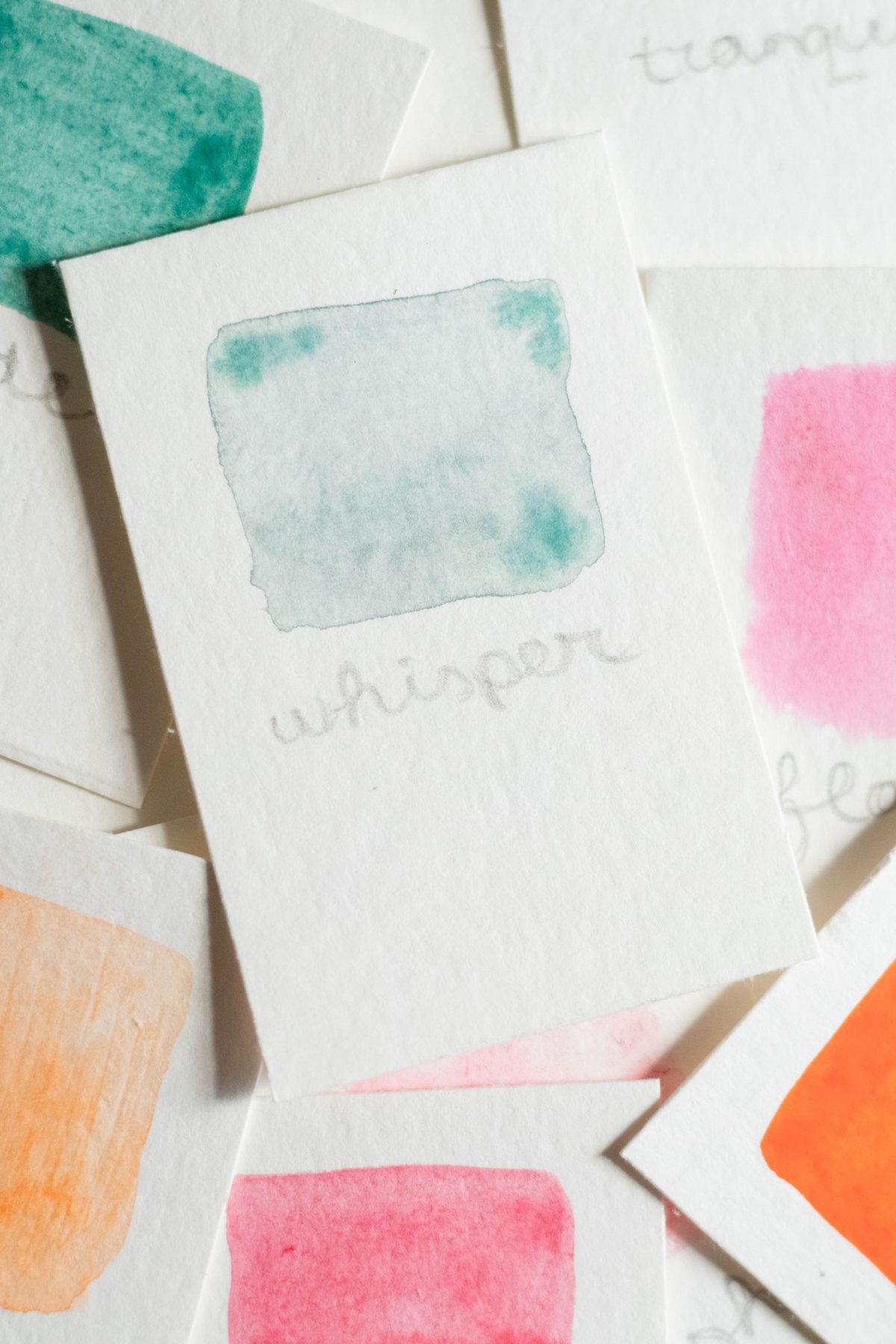
A palette should help people distinguish products across materials, sizes and ordinary lighting.
Give each colour a purpose
Decide whether colour identifies a flavour, a product family or a level within a range. Write that relationship down. A palette becomes confusing when the same colour performs several unrelated jobs.
Start with the products that customers are most likely to compare. Their colours need to remain distinct together. A collection of attractive individual swatches is not yet a working range system.
Test the real combinations
Place the actual text and imagery on every background. A colour may be attractive alone but provide poor contrast for the chosen typography. Check the most difficult combination rather than approving only the strongest example.
Use representative materials and printing guidance. Screen colour is a design starting point, while the final appearance depends on the physical process. Keep the colour target and substrate together in the approval record.
Add another identifying cue
Do not ask colour to do all the work. A clear name, short descriptor or consistent symbol can support the distinction. This also helps when packs appear in small online images or lighting changes the palette.
Make the secondary cue part of the system from the beginning. It should look intentional rather than an emergency addition after two variants prove hard to tell apart. Test it at the smallest intended size.
Try this in the studio
Arrange the whole range in a simple grid and then on a shelf. Reduce a photograph to thumbnail size. Ask someone to find two named products using both the physical and digital views.
If the result is uncertain, revise the hierarchy or palette before expanding the range. A useful colour system makes choice easier while giving the collection its character.
Make it practical
Turn the next idea into a clear brief. Our browser worksheet helps you record the product, journey and handoff.
Open the reading roomKeep reading
A little more to unfold.
Print / Journal
The colour you approve is the colour you print? Not quite.
A screen is a useful beginning. Paper, ink and lighting decide what happens next.
Read the story ↗
Print / Journal
The final packaging review: five conversations, one decision
Bring structure, artwork, product information, operations and presentation into the same approval.
Read the story ↗Print / Visual study
The folding carton: four faces, one conversation
Use each panel deliberately. A carton is an object, not a poster folded at random.
Read the story ↗